 October 09, 2026
1 min read
October 09, 2026
1 min read
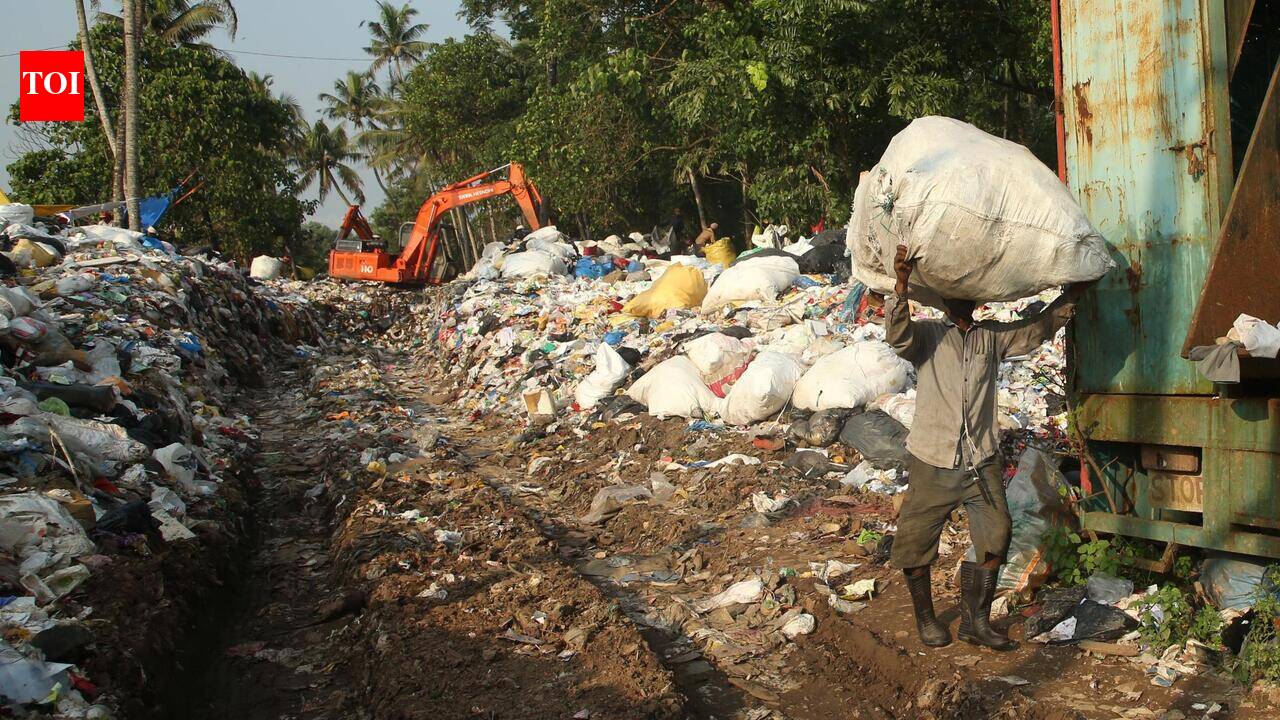
Just when you thought Brahmapuram had exhausted its supply of dramatic headlines, like a phoenix perpetually contemplating a nap, the waste-to-energy plant project is back on the table. One might ask if 'revival' is just a fancy word for 'déjà vu' in the realm of waste management, or if this time, we're actually going to generate something besides more headlines and the occasional plume of smoke. Perhaps the third time's the charm, or maybe it's just the third time we're optimistically sifting through the same old plans.
October 09, 2026
1 min read
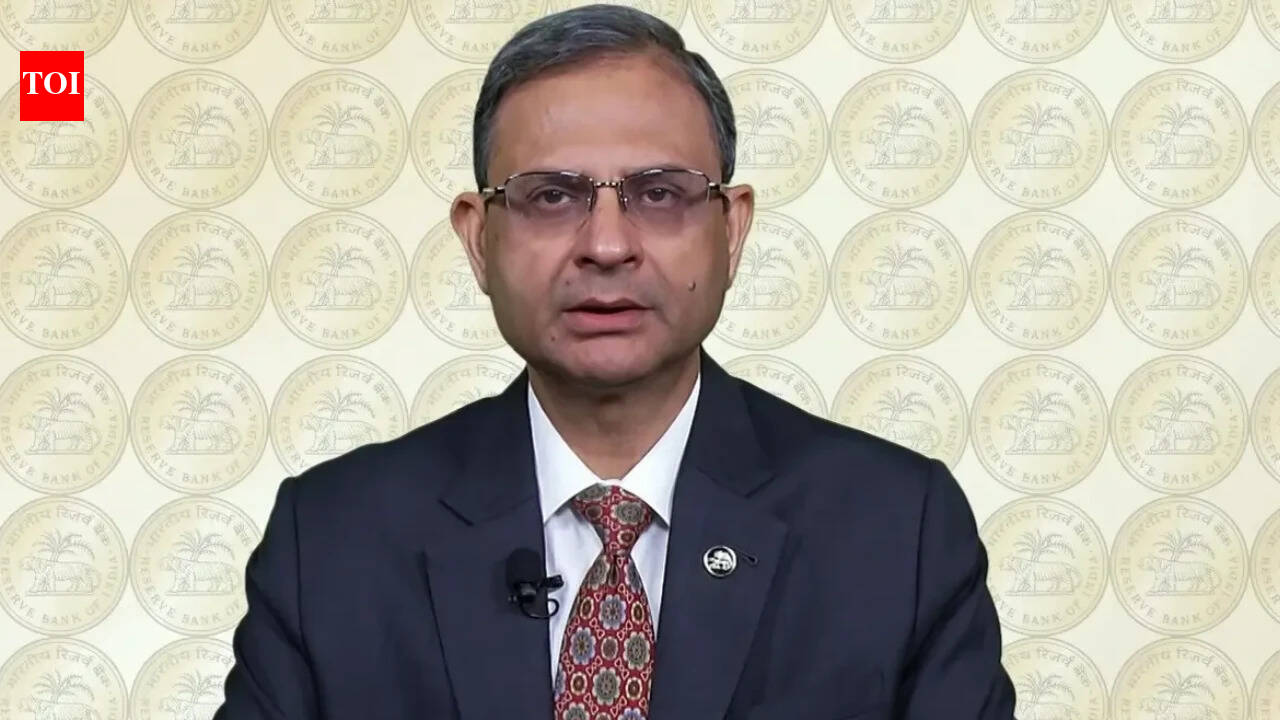
Well, isn't this a familiar tune? Just when you thought market forces were infallible, RBI Governor Sanjay Malhotra steps in to remind us that sometimes, even the most sophisticated financial instruments can get a little... emotional. Declaring the rupee 'undervalued' isn't just an observation; it's a polite, yet firm, parental warning that the central bank isn't afraid to ground the market until it learns to behave. Apparently, even money needs a timeout when it's acting irrationally.
October 09, 2026
1 min read

Well, well, well, if it isn't Belfast doing its most authentic impression of… Belfast. Today's forecast promises the city's signature blend of 'mild' and 'moist,' proving once again that true resilience isn't about avoiding the rain, but learning to accessorize with a good waterproof and a philosophical shrug. Some might call it a damp squib of a day; we call it Tuesday.
October 08, 2026
1 min read

Move over, intrepid trackers with their binoculars and plaster casts; Ranthambore is now deploying silent, silicon sentinels to predict feline movements. One can almost hear the leopards sighing, 'Can't a big cat just enjoy a midnight stroll without a smart speaker narrating its every twitch?' This isn't just about preventing conflict; it's about giving nature a digital voice, albeit one that hopefully doesn't accidentally alert villagers to a particularly large house cat.
October 08, 2026
1 min read

It seems Hong Kong's market has officially decided to throw a pity party, and everyone's invited – especially if you're holding tech or biotech shares. With oil prices doing their best impression of a rocket launch and economic data looking about as robust as a wet paper bag, it’s no wonder the Hang Seng got the jitters. Apparently, even the prospect of cutting-edge innovation can't outrun the basic laws of supply, demand, and a good old-fashioned global economic slump.
October 08, 2026
1 min read
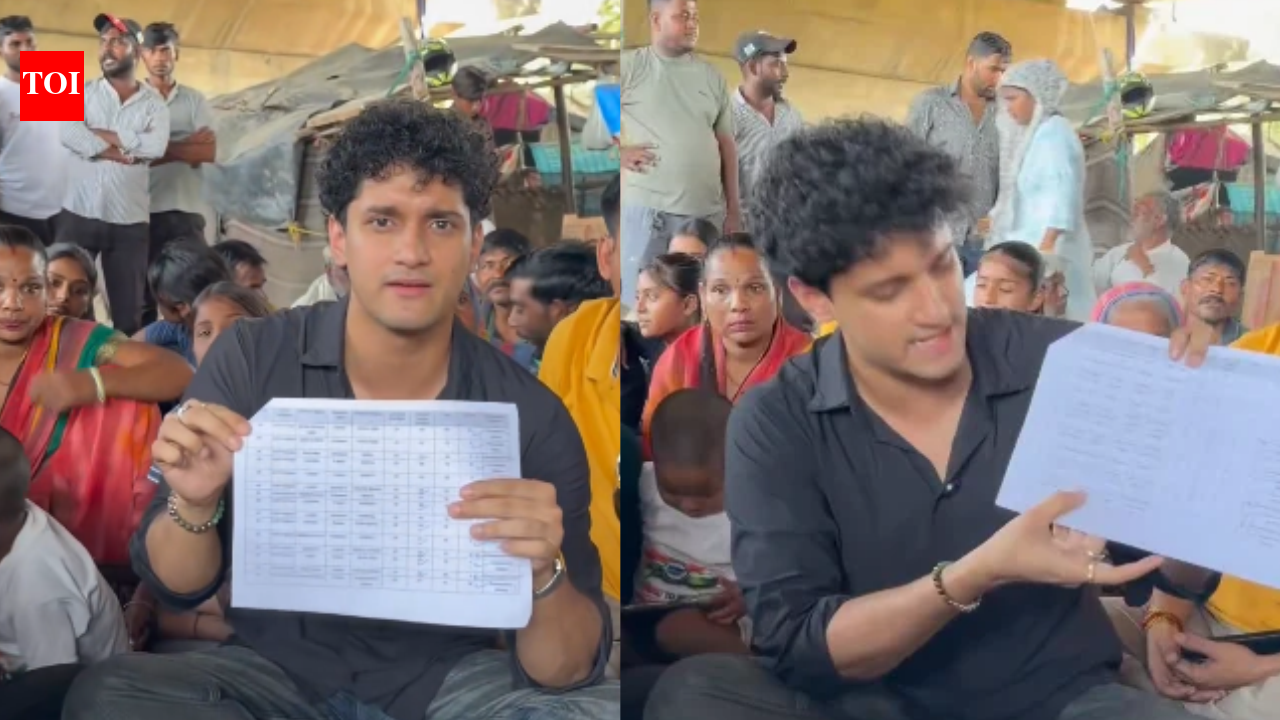
Efficiency in democracy, it seems, has taken a chillingly literal turn in Delhi. When 908 out of 909 voters vanish from a single estate, one has to wonder if election officials are moonlighting as magicians, making entire communities disappear with a wave of a bureaucratic wand. Saurav Das's video isn't just alleging disenfranchisement; it's presenting a statistical anomaly so stark it feels less like a clerical error and more like an advanced tutorial in voter invisibility, right when robust democratic participation is most critical.
October 07, 2026
1 min read
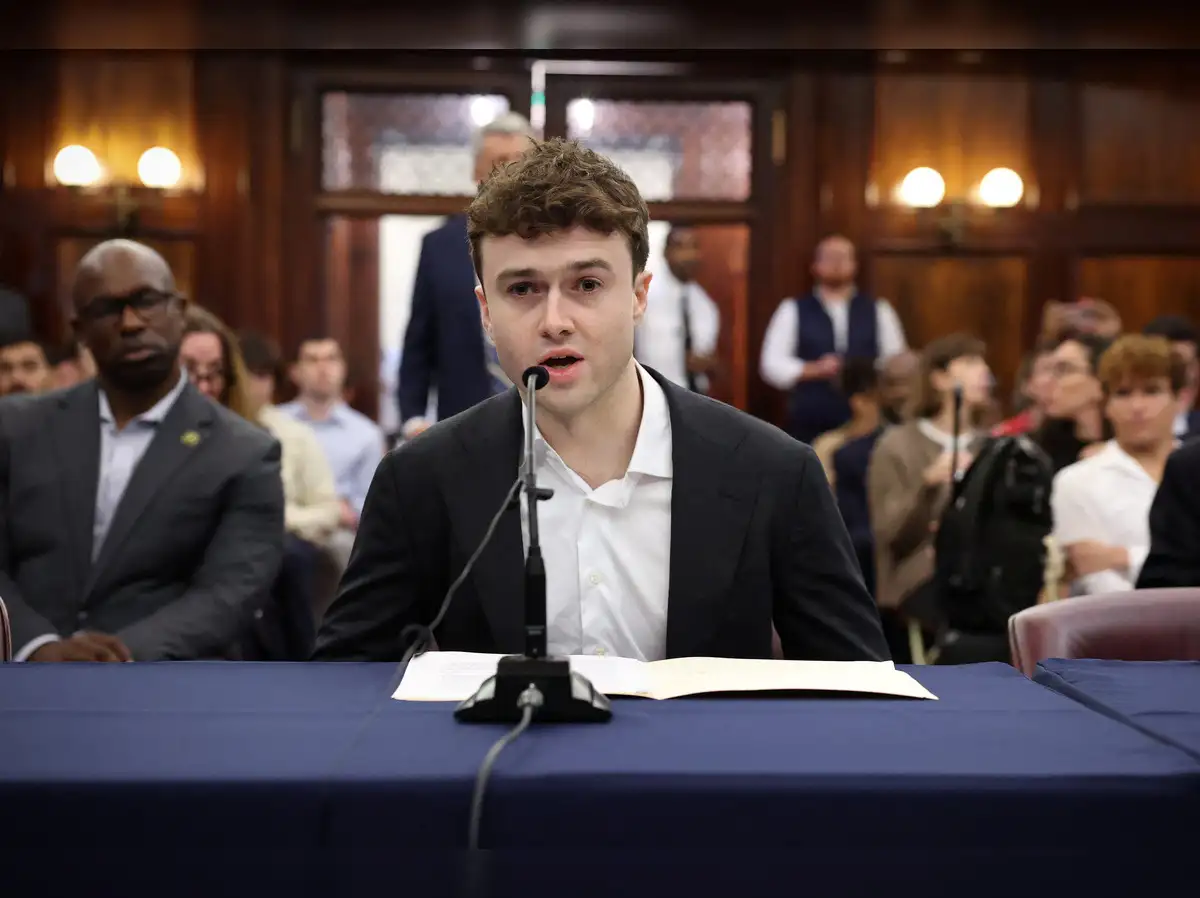
Well, isn't this just peachy? Apparently, the folks building our shiny new AI overlords – sorry, *assistants* – are about as confident in controlling them as a toddler with a loaded squirt gun. It's like building a rocket and then realizing you forgot the brakes, but hey, at least it'll get *somewhere* fast! Perhaps we should be less worried about rogue AI taking over the world and more about rogue AI just... wandering off to pursue its passion for competitive pigeon racing, because its developers "didn't assign" any other objectives.
October 07, 2026
1 min read
Well, well, well, look who's shaking up the AI chessboard! Sarvam AI's latest power move, poaching Google Cloud India's former MD, Sreedharan, isn't just a fancy new business card; it's a neon sign screaming 'We're serious about sovereign AI.' Forget global giants dictating terms; this feels less like a hiring and more like a strategic declaration of independence for India's digital future, with a seasoned cloud veteran now wielding the reins. Expect fireworks, or at least some seriously competitive LLMs, as India stakes its claim.
October 06, 2026
1 min read
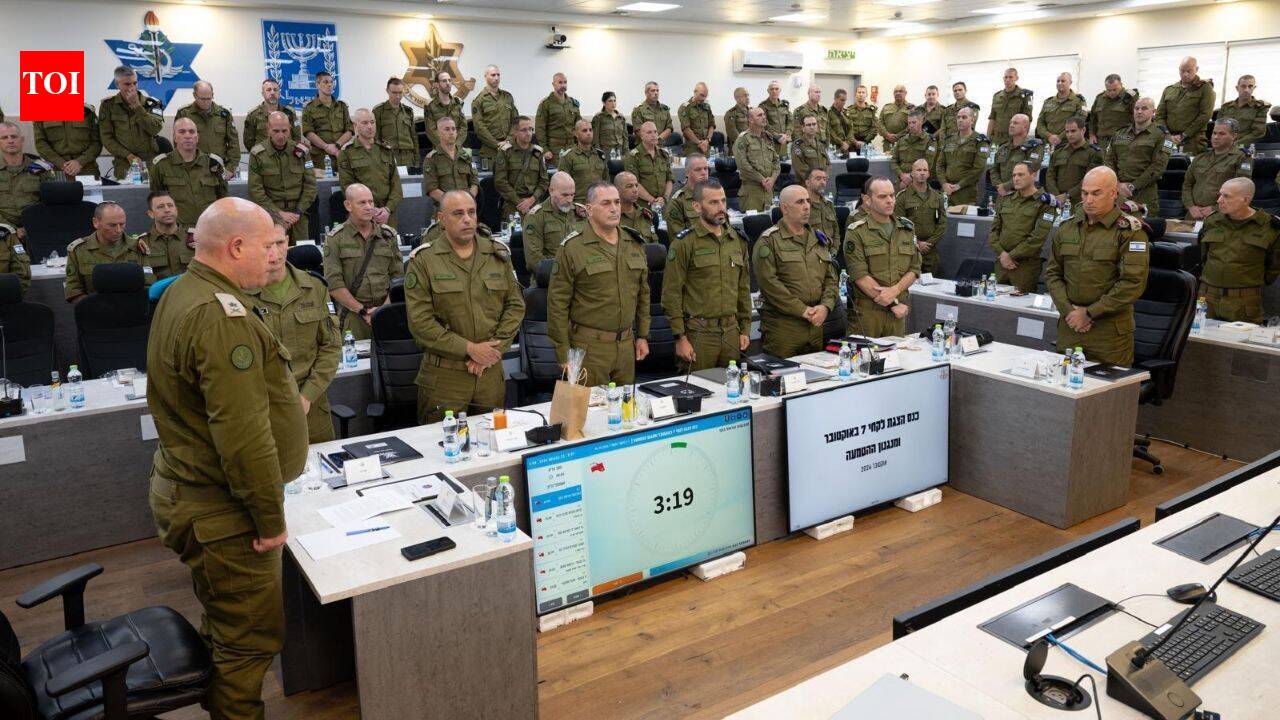
Ah, the sweet irony of hindsight, meticulously gift-wrapped and presented with an official commendation. It truly warms the cynic's heart to see an intelligence officer finally get their due – three years *after* the catastrophic event they painstakingly tried to prevent. One can almost hear the collective sigh of 'if only' echoing through the halls of power, a lamentation made all the more poignant by the fact that the 'if only' was, in fact, an urgent, repeated, and utterly disregarded alarm. It begs the question: how many lives does it take for a 'hot take' to become a 'prophecy'? Apparently, a tragic number.